Roof Replacement
A clear path from inspection and material selection through installation and cleanup.
Learn moreRoof repair and replacement explained in plain language, with a straightforward path from first inspection to finished work.

Most visitors are not roofing experts. The website should quickly explain what each service is for, what happens next and when an inspection makes sense.
A clear path from inspection and material selection through installation and cleanup.
Learn moreFocused information for leaks, damaged shingles, flashing problems and other repair needs.
Learn moreCalm, factual guidance after severe weather with an inspection-first next step.
Learn moreDrainage, flashing and exterior protection explained as part of one roof system.
Learn more
Strong local-service websites answer the questions people have before they call: what gets inspected, what the scope looks like, what photos or proof they will receive and what happens after approval.
For high-intent local services, lowering uncertainty is often more persuasive than adding more sales copy.
Tell us what you have noticed and when you are available.
A real contractor would document condition, concerns and recommended scope.
Materials, priorities, timing and price should be understandable before work begins.
The project page should set expectations through completion and final walkthrough.
For a real roofer, these would be homeowner-approved project photos with location, roof type and verified project details.
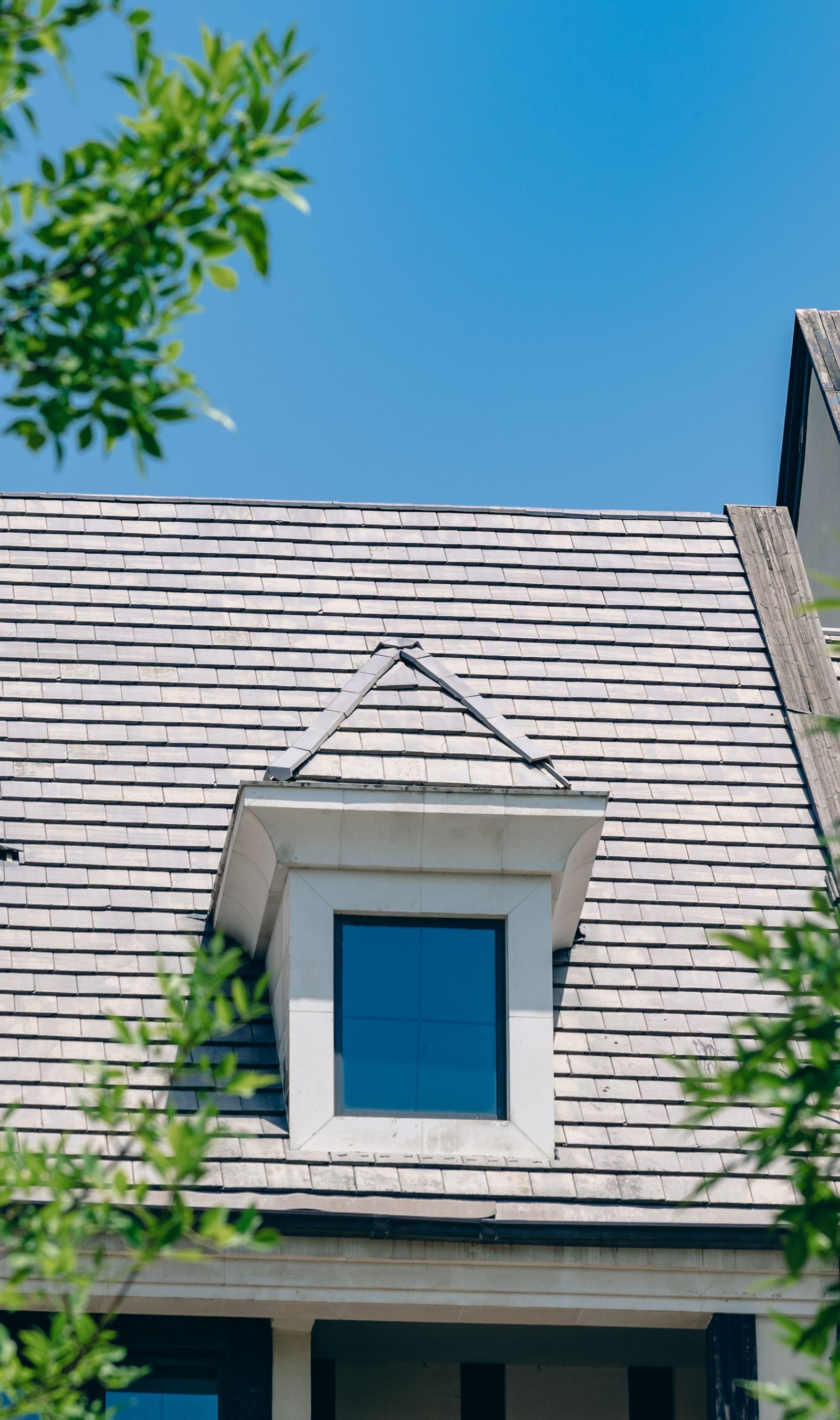
Visitors arriving after a storm have a different level of urgency and a different set of questions. Give them a focused, factual path instead of dropping them on the homepage.
See storm-damage page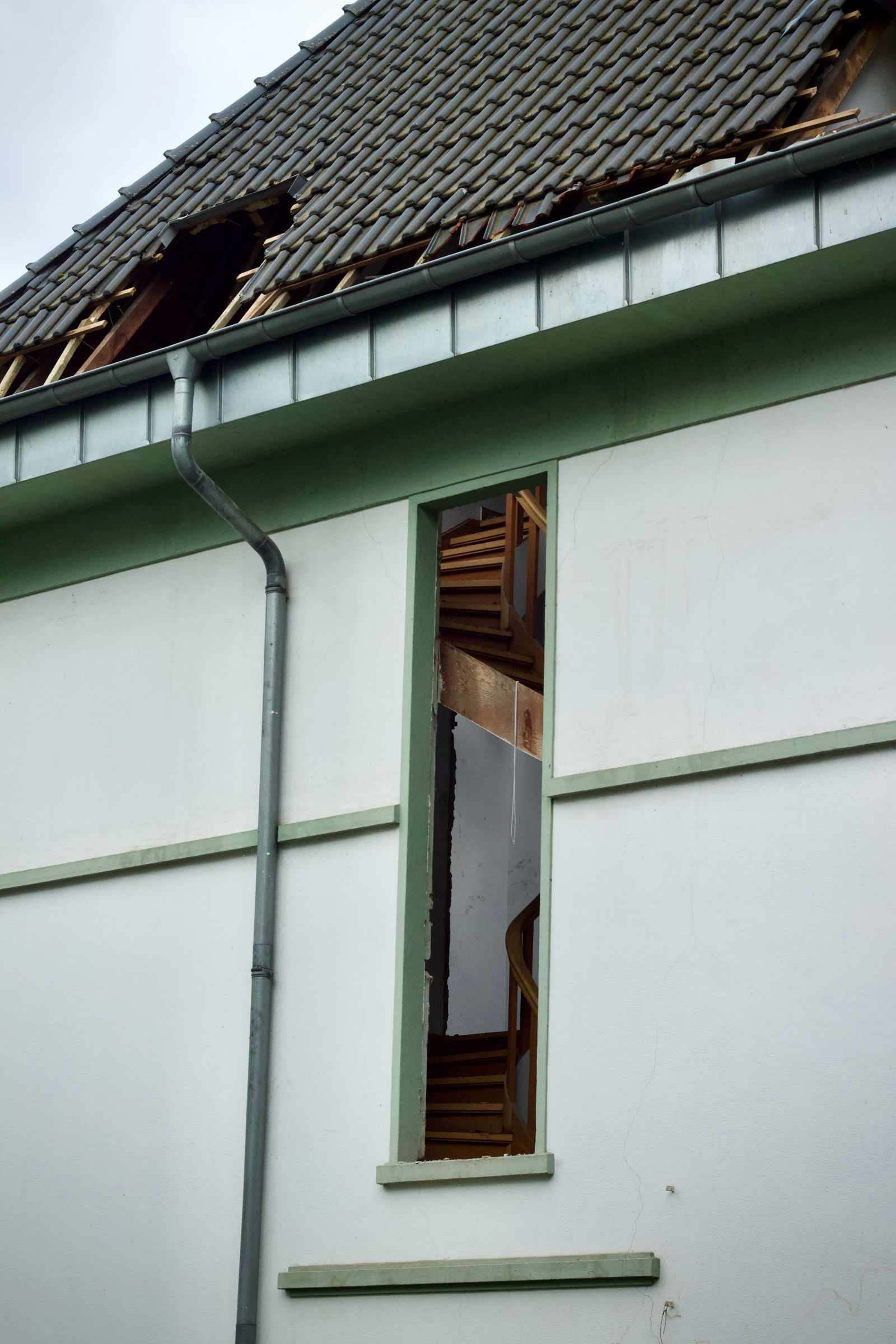
A real implementation would build area pages only where the contractor genuinely operates and can provide locally relevant services, project proof and contact details.
This form is a demonstration only. A real contractor build would route requests into its CRM and inspection workflow.
Schedule inspection